
U.S. Teen Advocacy Council Inspire Change on Menstrual Hygiene Day
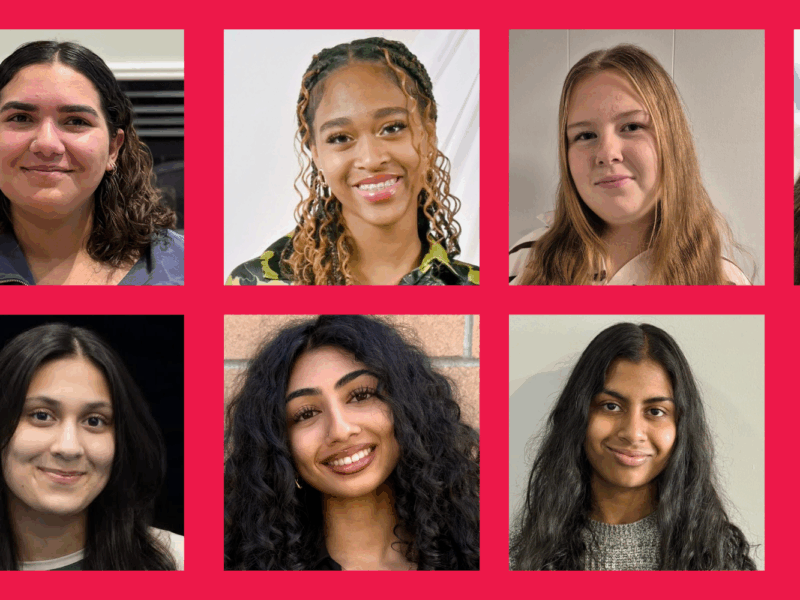
May 28 is Menstrual Hygiene Day and Girls Inc. girls are celebrating by raising awareness, challenging stigma, and advancing solutions to support menstrual hygiene in their communities. Girls Inc. is proud to highlight the perspectives of our U.S. Teen Advocacy Council (TAC) members, who are speaking up to inspire action on this issue.
More than 2 billion people around the world menstruate each month.1 Yet, 500 million lack access to the products and facilities they need to manage their periods safely.2 Period poverty is a primary barrier to menstrual hygiene. Period poverty refers to limited access to period products, hygienic facilities, and menstrual education due to financial barriers and social stigmas.
For many Girls Inc. teens, this topic is personal. The topic of menstrual hygiene is an opportunity for young people to take the lead in sharing their experiences and championing solutions they identify. Several U.S. TAC members share how they have seen the impact of going without menstrual hygiene products.
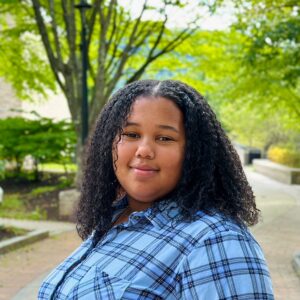 Lillian (Grade 12, Girls Inc. of Sarasota County) says, “this issue matters to me because it affects students my age and people in my community. School should be a place where students can focus on learning, not worrying about something they cannot control.”
The TAC members make it clear that period poverty and education access are strongly connected. A third of teens (33%) report missing at least 15 minutes of class from a lack of access to period products. Lack of access to menstrual hygiene is strongly associated with lost class time and a decline in school performance.3 When period products are expensive and inaccessible, young people face a difficult choice between menstrual hygiene and other necessities.
 Miyuki (Grade 11, Girls Inc. of Orange County) explains that “no one should have to choose between buying food and essential period products. No student should fall behind in class because they’re worried about bleeding through their clothes.”
One of the primary contributors to period poverty is the luxury tax on menstrual hygiene products. In the U.S., menstrual hygiene products are taxed at the highest rate because they are classified as luxury purchases. When these essential items are taxed at a luxury rate, the cost becomes a barrier for many young people.
 Darshni (Grade 11, Girls Inc. of the Greater Capital Region) explains that “basic biological needs should never be barriers to opportunity. When we treat menstrual products as the health necessities they are, rather than luxury items, we create a more equitable foundation for everyone to thrive.”
In honor of Menstrual Hygiene Day, the TAC members identified several solutions to enact change in their communities. They call for three key actions to promote menstrual hygiene: provide free menstrual products in public restrooms, end the luxury tax on period products, and improve menstrual education in schools.
 As Destini (Grade 11, Girls Inc. of Long Island) says, “ensuring access to menstrual products is a modest investment, but one that sends a powerful message: in our communities, dignity is not a privilege. It is a guarantee.”
Resources